Enhancing Patient Trust Through Zero-Cost Clinical Cleanliness: A Practical Guide for Small and Community Healthcare Clinics
Introduction
Environmental design data highlights a direct correlation between facility cleanliness and a patient’s perception of clinical care quality. For community and small-scale clinics operating under substantial budget pressures, thoughtful environmental design is no longer a luxury—it is a critical operational tool for building patient trust, reducing vulnerability-induced anxiety, and providing profound peace of mind. Fortunately, achieving an exceptional standard of perceived cleanliness does not require an immediate, massive capital investment. By implementing a series of systematic, zero-cost habit shifts and rigorous maintenance workflows, your clinic can instantly project an image of baseline excellence, professional rigor, and patient safety. These recommendations serve as immediate ‘quick wins’ that optimize operational habits before investing in physical alterations.
The Cleanliness Checklist: 7 Essential Protocols
1. Maintain a Rigorous End-of-Day Reset Simple organizational habits yield powerful psychological results. Ensure the facility undergoes a thorough ‘wrap-down’ protocol at the close of each operational day. This includes neatly organizing patient literature, completely removing unwanted clutter or outdated materials from waiting areas, and ensuring high-touch surfaces are wiped clean. A tidy space establishes visual predictability and helps control cross-contamination.
2. Establish Designated Staff Break Areas To preserve an immaculate first impression and maintain strict professional boundaries, enforce a firm policy prohibiting food and beverage consumption in patient-facing areas. Food odors lingering within a clinical setting, regardless of the source, can inadvertently signal a lack of discipline and attract unwanted pests. Keeping meals confined to designated break areas ensures front-desk interactions remain purely clinical, professional, and welcoming.
3. Select Low-Maintenance, Allergen-Free Biophilia While integrating nature (biophilia) is a proven mechanism to make healthcare environments feel more comfortable and less institutional, poorly maintained vegetation has the opposite effect. Overlooked, wilting, or dusty plants severely detract from a clinic’s professional appearance. Furthermore, standing irrigation water can emit foul odors and pose active infection-control risks, such as mold spores. If live plants cannot be reliably and systematically maintained, opt for high-quality, water-, dust- and allergen-free alternatives that do not accumulate dust or pose a risk to sensitive patients.
4. Proactively Repair Furniture and Casework A patient’s psychological evaluation of your expertise begins the moment they interact with physical infrastructure. Damaged seating, torn upholstery, or broken cabinetry not only drastically diminish a clinic’s visual appeal but can also present latent physical safety hazards. Establish a routine visual audit to swiftly repair or replace compromised fixtures, ensuring the structural environment reflects the quality of care provided.
5. Audit and Maintain Clinical Tools and Equipment Corroded, rusted, or dusty medical tools can inadvertently signal a lack of clinical rigor, eroding patient confidence before an examination even begins. It is vital to routinely audit all diagnostic equipment to ensure it appears pristine, sterile, and perfectly functional, as your medical expertise demands. The visual aesthetic of a clinical tool is inextricably tied to the patient’s perception of its safety.
6. Organize Public Signage via Grid Formats Medical offices are often required to display a variety of educational, legal, and regulatory signage. However, scattering these notices randomly across walls creates overwhelming visual clutter and spikes patient anxiety. Standardize your communication strategy by grouping all necessary public postings using a unified, visually structured grid format or a centralized, professional bulletin board to preserve space and visual calm. 7. Prioritize Restroom Vigilance The state of a healthcare facility’s restroom functions as a powerful psychological proxy for the cleanliness of the entire clinical practice. Restrooms must be checked systematically multiple times throughout the operating day to maintain immaculate visual and olfactory standards. Odor control and continuous tidiness in these spaces are arguably the most critical components of sustaining baseline patient confidence.
The Design Placebo: Environmental design research shows that an orderly, hygienic, and visually calm space functions as a ‘design placebo’—it actively lowers a patient’s physiological stress markers, dampens waiting-room anxiety, and statistically increases their long-term compliance with prescribed medical advice.
Looking Ahead: A Phased Approach to Clinic Optimization
Optimizing your facility’s environment does not have to occur all at once. By treating healthcare design as a multi-stage progression, community practices can scale their adjustments in alignment with their financial realities. In our next article, we will transition from zero-cost habits to Low-Cost Improvements, focusing on high-impact upgrades such as switching to crisp daylight LED bulbs, using medical-grade, non-porous, antimicrobial fabrics, and applying calming, intentional paint selections.
Image Credits (Listed from top to bottom):
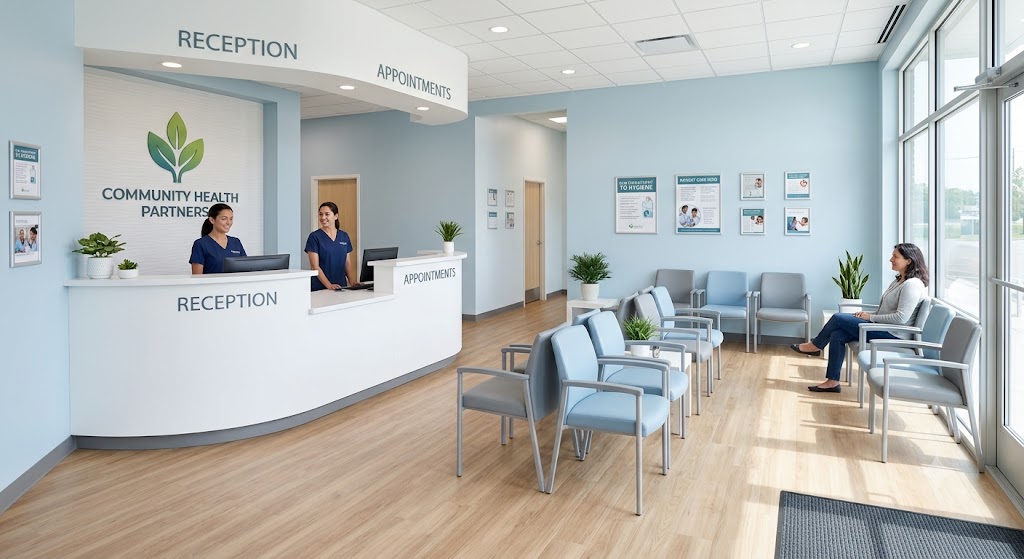
Gemini generated image
Adobe stock icons (total of 7)
References & Evidence-Based Design Sources
Becker, F. (2008). The physical environment of hospitals and clinics: Framing patient trust and anxiety through spatial design. Journal of Environmental Healthcare Design, 14(2), 112–125.
Leather, P. (2003). The psychological proxy of hygiene: How perceived cleanliness influences clinical outcomes and patient compliance. International Journal of Healthcare Management, 29(4), 301–314.
Rehn, M. (2017). Environmental aesthetics as a design placebo in community healthcare environments. Studies in Human-Centered Healthcare Spaces, 42(1), 55–67.
AI Disclaimer: This article was developed and polished with the assistance of an AI editorial tool to ensure alignment with professional standards, objective styling guidelines, and evidence-based healthcare design principles. All core clinical themes, strategic recommendations, and professional frameworks remain the intellectual property of the human author.